
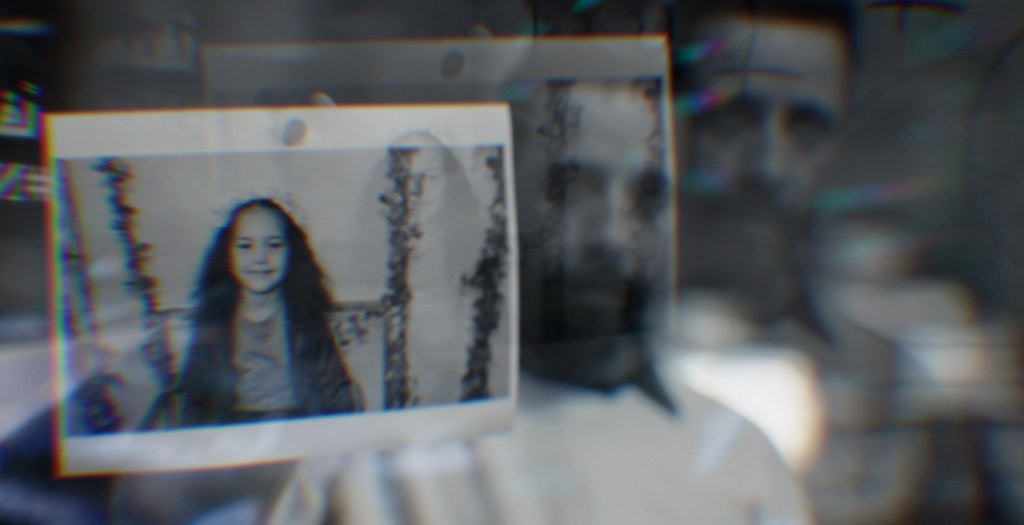
Hind Rajab (May 3, 2018 – January 29, 2024)
Following a much deserved Oscar Nomination for Best International Feature Film, The Voice of Hind Rajab has been deservedly platformed as a must-see film. Utilizing real audio recordings and phone calls from Rajab, the film tells the incredible story of the first responders desperately trying to save her life.
On January 29, 2024, five-year old Hind Rajab and her family were attempting to flee Gaza City when their car was shelled by the Israeli Defense Forces, murdering her uncle, aunt, and three cousins. Rajab and one of her cousins contacted the Palestine Red Crescent Society (PRCS) for assistance while their vehicle was being attacked by a loaded Israeli tank, resulting in the death of the cousin, leaving Rajab alone in the car.
While the surrounding area was under blockade, the PRCS worked alongside the Gaza Health Ministry and the Israeli military to guarantee safe passage for one of their ambulances to rescue little Rajab. Once granted approval, the ambulance and its two workers, Yusuf al-Zeino and Ahmed al-Madhoun, was targeted by part of the Israeli military. Both Rajab and the paramedics were found killed in vehicles covered in bullet holes 12 days later.
The Voice of Hind Rajab is a deeply affecting and necessary film, one that lingers long after the credits finish, not because it seeks to shock, but because it insists on being heard. With remarkable restraint and emotional clarity, the film transforms a real harrowing moment into a cinematic experience that feels both intimate and universal. Rather than exploiting tragedy, it honors its titular subject with dignity, empathy, and an unwavering sense of purpose. The result is a work that is as respectful as it is devastating.
The film’s importance lies in its insistence on centering a single human voice amid overwhelming violence and political abstraction. By narrowing its focus, The Voice of Hind Rajab cuts through statistics and headlines, reminding viewers that history is lived one breath, one plea, one moment at a time. Its relevance is unmistakable: in a world where Palestinian suffering is often reduced to background noise or intentionally ignored, the film forces us to confront what it means to listen, and what it costs when we don’t. This is not just a film about one child, it is about the moral urgency of bearing witness to what Palestinians, both in Gaza and the West Bank, are living through.
From a craft perspective, the filmmaking here is exceptional. The direction from Kaouther Ben Hania (who also brought us the documentary Four Daughters) is precise and emotionally intelligent, allowing for the sound design and pacing to do as much work as the dialogue. Every technical choice feels intentional, serving the story rather than distracting from or exploiting it. The cinematography here by Juan Sarmiento G. as well as the editing by Qutaiba Barhamji, Maxime Mathis, and Ben Hania are all restrained yet powerful, maintaining a tense and immersive rhythm mirroring the experience of waiting, hoping, and fearing. There is a confidence in the film’s construction that speaks to Ben Hania’s talent as a filmmaker and her respect for the what little Hind Rajab had to endure.
The performances, especially are extraordinary. The acting is raw without being overwrought and are deeply felt without tipping into emotional manipulation. Motaz Malhees as Omar A. Alma, an emergency responder who first makes contact with Rajab, is a standout as he is tasked with many emotionally devastating lines pointing out the impossible reality there are facing: “How can you coordinate with the army that killed them?” His delivery on that line alone is enough to send chills throughout any viewer’s body.
Hind Rajab’s life was stolen from her in perhaps one of the most cruel ways imaginable, and The Voice of Hind Rajab as a film to hopefully prevent this from happening again, but forces us as viewers to sit with this violence alongside her. The mental torment that this little girl and the first responders endured is one every human should witness to, hopefully, lead to a world where Palestinians are treated with empathy and respect.
Rating: A
Where to Watch: PVOD

Sarah Abraham
she/her @sarsaraaaaah
Lives in Orlando with her mom & dog. Clarinetist that loves movies, EDM, yoga, hot girl walks, and tzatziki.
Favorite Actor(s): Omar Sharif, Danielle Deadwyler, Hiam Abbass, and Daniel Day-Lewis
Sign: stereotypical Taurus




Leave a Reply