
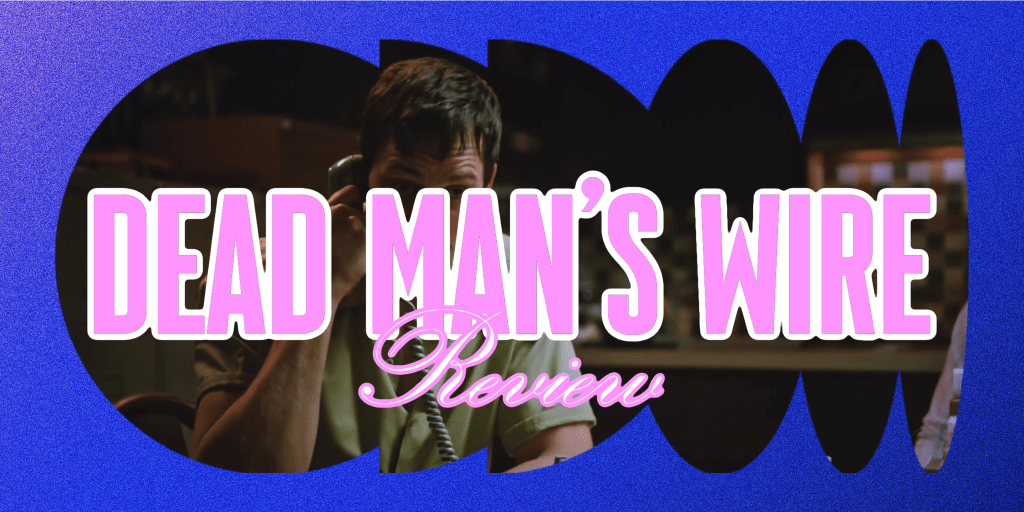
The timeliness of the 1977 hostage situation with Tony Kiritsis and mortgage broker Richard Hall could not be more relevant than it is now and makes for an intriguing story to watch in a throwback hostage thriller from Gus Van Sant. While you have seen films like this before, there’s something elevated about Dead Man’s Wire through the iconic director and brilliant performance from one of the best actors working today, Bill Skarsgård.
Dead Man’s Wire holds back on sensationalism at every turn despite the true story of Tony Kiritsis and mortgage broker Richard Hall being tensely charged. The film follows the real-life story of an Indianapolis man, Tony (Bill Skarsgård), who in 1977 kidnapped a banking company president, Hall (Dacre Montgomery), after believing his mortgage broker, ML Hall (Al Pacino), deliberately sabotaged his property investment. Before taking Richard back to his apartment rigged with homemade explosives, attaches a shotgun to the Richard’s head with a wire, one wrong move and Richard is dead. Dead Man’s Wire feels like a timely response to current events but was in production at the time of UnitedHealthcare CEO Brian Thompson’s death, but Gus Van Sant frames the film following Tony’s motivations and how he got to this moment, not for shock value. Given the film is based on a true story from the 70’s, it’s not a spoiler to say that this story ends very differently with the UnitedHealthcare CEO. The film, and specifically the opening, are incredibly tense and bring a real sense of dread to the possibility things may end very violently for Richard. The pacing and editing create such a palpable tension to the likeliness of his death.
Van Sant focuses on Tony’s motivations, internal struggle, and how this all pairs back to the idea of the American Dream, who gets to achieve this ideal we are promised and are we given a level playing field? His fight is violent, and his method is over-the-top, but he’s a man at his breaking point. A theme in many films this year of the exploration of how the failed ideals of a system built to work against you is on display in Dead Man’s Wire through Tony’s real story and the motivations at the center of the story Van Sant tells. What are you supposed to do when all of your resources, financial security and the possibility of a roof over your head that you own is all taken from you? Through Van Sant’s direction and the at times dizzying editing, the film sets you deep in the claustrophobic feeling of it all coming down on you. The cinematography and score push this trapped feeling over the edge; it feels so textured and overwhelming to bear for Tony and the weight is palpable on the audience as it feels its drowning you.
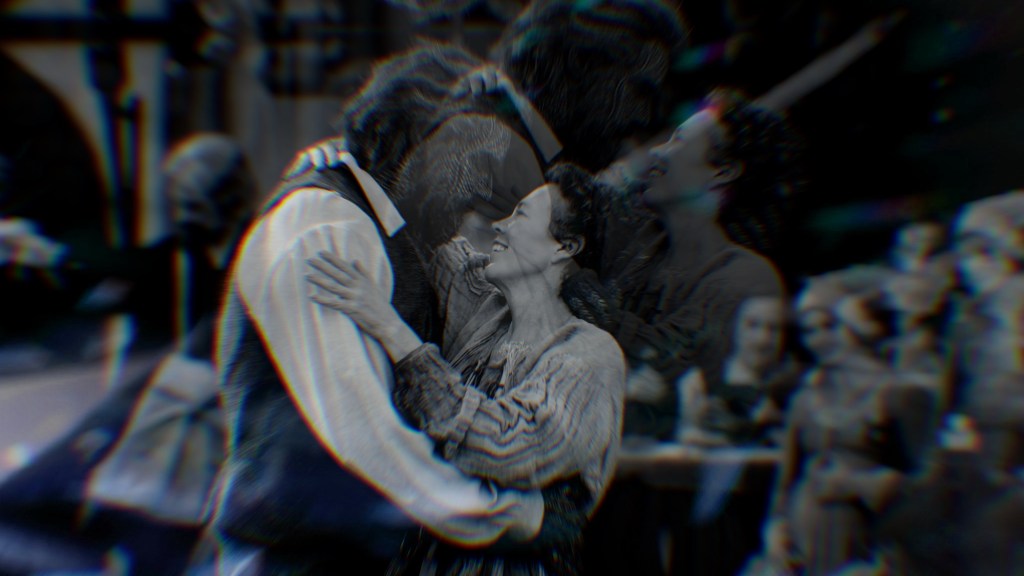
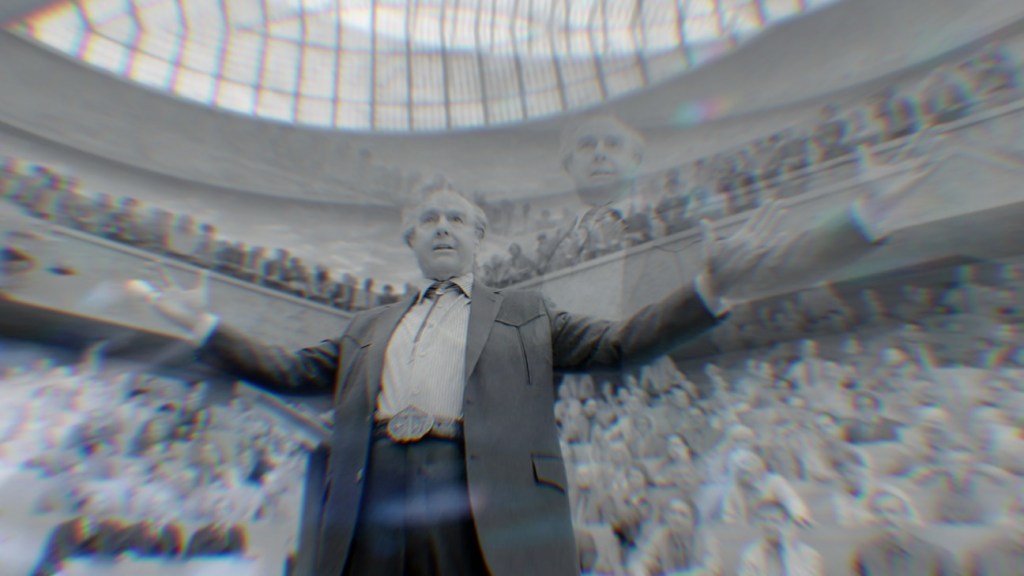
This is all heightened with the blurring of fiction and reality with the common ripped-from-the-headlines addition of real footage mixed in with the recreated, the reverse freeze frame usage giving an almost illusion of footage coming to life. Parts of Dead Man’s Wire feel it’s a docudrama with beat by beat of what truly happened. With the mixing of DJ Fred Temple (an incredible Colman Domingo) and an ambitious young reporter Linda Page (Myha’la), we get the various sides of how the public consumed the story of the hostage situation and how on some level, the people grew to side with Tony. He communicated through Fred, giving a counter to what is being presented through the news via mostly Linda’s superiors despite her being on the ground getting real time coverage. There’s a lost opportunity to explore the politics of a young Black woman not being given the respect and opportunity in this time period, that still resonates today, but it gets lost in the shuffle as it’s briefly even focused on.
While there are many players in this true ensemble piece, the star of the show is Skarsgård. Time and time again, the young actor proves he’s a true chameleon and able to pull off quite literally anything with an emotional core leaping through his eyes. His portrayal of Tony is that of a complicated man and while you feel for him, his manic energy still comes across. Skarsgård is one of the most underrated leading men working today given how often he hides himself in roles. He disappears into Tony but brings a new humanity that might have been lost in a cliched script through other actors. Domingo is another standout, which is a common phrase for any film the Academy Award nominated actor is in. He brings such an electricity to the screen, a familiarity of the decade but a freshness only he could display. Myha’la isn’t given much to do here, which is a shame, but she’s outstanding as always. Montgomery is quite devastating, but the role is a little undercooked. Cary Elwes plays a detective, Michael, and there are so many undertones of the way the police treat Tony differently seeing him as one of their own given he frequents their hang outs, but the story never goes there. Elwes is always great on screen, but he really brings a warmth to what is written as a toss away character. Pacino was on set one day and you can definitely tell, but it’s thrilling to see him even for a moment with instantly iconic lines and the clear indication of the looming influence of Dog Day Afternoon.
There’s a lot to say about the timeliness of the 1977 hostage situation with Tony and Richard and how it could not be more relevant than it is now and makes for an intriguing story to watch in a throwback hostage thriller from Van Sant. While you have seen films like this before, there’s something elevated about Dead Man’s Wire through the iconic director and brilliant performance from one of the best actors working today, Skarsgård.
Grade: B-
Oscar Prospects:
Likely: None
Should be Considered: Best Lead Actor (Bill Skarsgård), Best Film Editing
Release Date: January 9, 2026
Where to Watch: In Select Theaters

Kenzie Vanunu
she/her @kenzvanunu
Lives in LA. Misses Arclight, loves iced vanilla coffees.
Favorite Director: David Cronenberg
Sign: Capricorn





Leave a Reply