

Urchin marks an impressive first effort for director Harris Dickinson, who has the potential to grow into a filmmaker with a true vision and voice with an even more focused and dialed-in script.
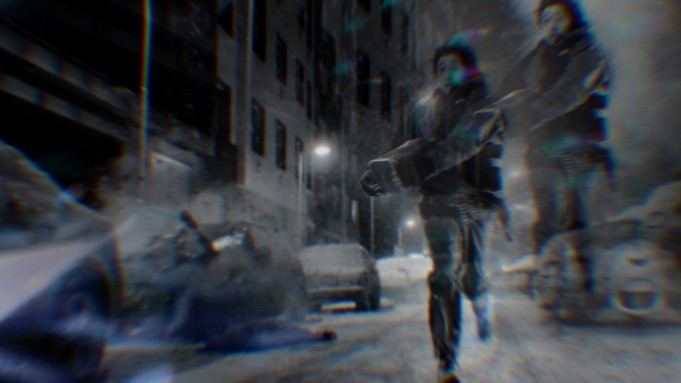
The opening scene of Urchin, Harris Dickinson’s strong directorial debut, takes a moment to find our lead character, Mike (Frank Dillane), as he roams the London streets in search of money and life. People mostly look the other way when Mike asks for spare change — or when they do meet his gaze, it’s like he’s a wild animal. After stealing money from a man and assaulting him on the street, Mike is caught by law enforcement, and eventually placed in a hostel as he attempts to restart his life from scratch.
Dickinson’s screenplay follows a classic rise and fall arc as Mike is given a “second chance,” and it’s a structure that mostly works. Despite not having much experience, a local restaurant gives him a brief run as a chef, where he befriends some of the other workers. After that job fails, Mike takes up an old job as a waste collector, picking up trash off the ground. He once again finds connection with a co-worker, this time in love interest Andrea (Megan Northam), but soon the cycle restarts as Mike finds himself overcome by anger and resentment.
Urchin, which had its world premiere at this year’s Cannes Film Festival, challenges us viewers to question whether it’s possible, with our current systems in place, for men like Mike to truly get the help they need. Before Mike picks up either of his jobs in the film, he finds himself in meetings with a social worker who, on the surface offers help, but also can’t help but come off as quietly judgemental.
Casting Dillane in the lead role is the film’s most ingenious choice — the kind of pure discovery akin to watching Simon Rex in Red Rocket or Brooklynn Prince in The Florida Project for the first time. Dillane manages to be charming, funny and empathetic, while always finding his back to the darkness that Mike can never fully escape. Northam is a standout in the ensemble cast, while Dickinson makes a brief (too brief!) on-screen appearance as Nathan, an old friend who looms like a ghost of Mike’s past.
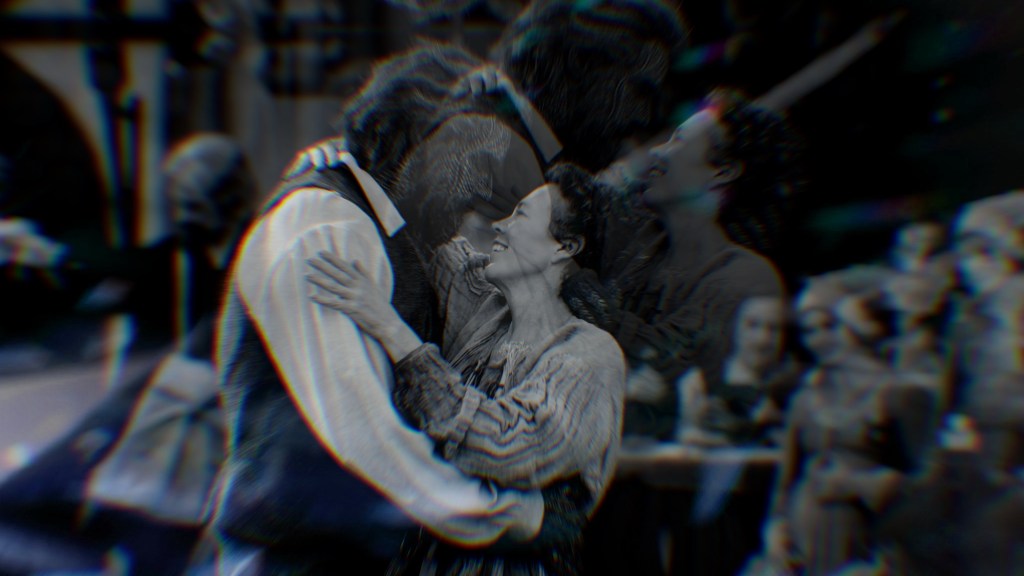
One of the film’s most memorable scenes follows a karaoke night out with Mike and some of his fellow restaurant workers. But instead of the camera twirling with energy — a typical choice for indie films — Josée Deshaies chooses to keep her work static, leaving the energetic events unfolding feeling boxed in. There’s something performative about the fun Mike and his friends are having, a feeling that only adds to the story’s gritty tone. There’s no true escape for Mike, even in moments when he’s supposed to be free.
Of course, Dickinson is interested in more than just realism. Several times throughout the narrative, the film cuts to abstract images representing Mike’s inner mind and psyche — a giant cave being the most notable. This is where we can also feel Dickinson just beginning to figure out his directing style, and while some of these images are certainly intriguing (particularly by the ending), drawing eerie parallels to how Mike is treated like an animal, it can also sidetrack us from fully committing to the real world journey.
Urchin marks an impressive first effort for Dickinson, who has the potential to grow into a filmmaker with a true vision and voice with an even more focused and dialed-in script. Dickinson creates a dynamic character study to examine Mike. He’s a protagonist who falls into the same patterns time and time again, but watching his own self-destructive tendencies never takes away from the macro-view on the apathetic world around him.
Grade: B+
Oscars Prospects:
Likely: None
Should be Considered: Best Lead Actor (Frank Dillane)
Release Date: October 10, 2025
Where to Watch: In Select Theaters

Matt Minton
they/them @6MattMinton14
Lives in Burbank. Loves queer noir, dark comedies and slice-of-life dramedies.
Favorite writer: Billy Wilder
Sign: Taurus




Leave a Reply