

James L. Brooks’ strong legacy of romantic comedies just makes Ella McCay even more of a disappointment. Stale and pining for cheap nostalgia, there is little to write home about with this film.
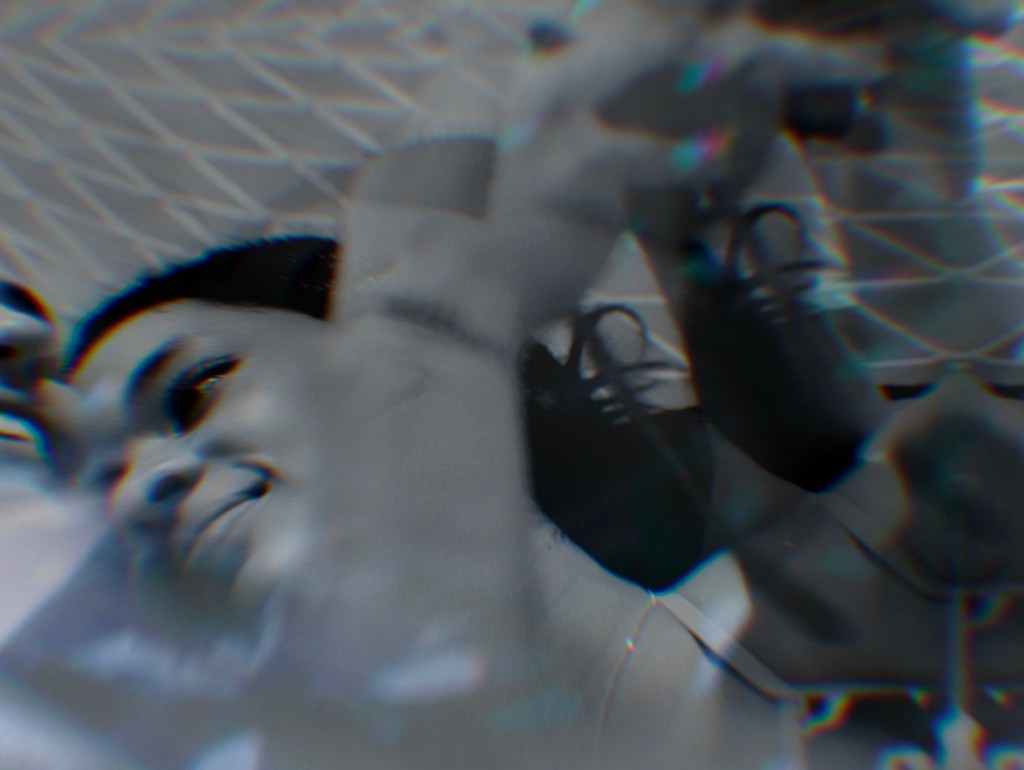
Ella McCay is the viral sensation of a very specific corner of the internet. The film’s poster has caught the attention of posters with 8+ hour screentimes. I’m not talking about the airbrushed-to-hell poster of Emma Mackey and Jamie Lee Curtis, but the simple poster of our lead character bending down to grab her broken heel. Very online film fans have been recreating the poster in their local cinemas, reaching down to touch their shoe in Ella’s pose. It’s an ironic joke about the movie; a movie that wants to have broad appeal but has captured the attention of a specific group of cinephiles. The poster is a clear reference to the era of the white poster plus text plus a simple image of the main character or couple. It is the classic recipe for a romantic comedy poster, and has become evocative of the rom com heyday 20+ years ago.
Ella McCay wants to be a warm look at the past – a sunny afternoon in a non-descript small town. A time when it was– as the film opens up with – “better because we all liked each other.” So naturally, James L. Brooks decided to set this film in 2008, during the Great Recession. Much of this film is tonally out of step with our current culture. What is mistaken for nostalgia is really staleness. This is incredibly disappointing coming from a director who mastered the art of the rom-com with Broadcast News (1987).
Ella McCay follows a passionate lieutenant governor with a complex family life who suddenly becomes governor after Governor Bill (Albert Brooks) leaves to take a cabinet position. Ella McCay has no rhythm to its pacing; it is filled with oddly placed flashbacks. Nearly every introduction of a new character results in the filmmakers dropping the audience into a flashback, breaking any energy the scene had. Even simple conversations between characters cut at the strangest places. Reaction shots are sprinkled in at oddly timed moments, rhythm– which is essential for comedic timing– is stunted. The film cuts so often during conversation scenes that emotional beats have no room to land.
Beyond the unhinged editing, the film’s rom com tropes are boring, rather than comforting.The “uptight” or “cold” woman who just needs to “let loose” is a rom com trope that dates back decades. Early in the film, Ella McCay (Emma Mackey) is quickly told by Governor Bill that she makes others in government feel lesser because she cares too much. While this shows the generation gap between the lieutenant governor and governor, the film stays with this trope. Later in the film, Ella accidentally gets high, a predictable plot point that the film has to remind the audience was a bigger deal a decade ago. It does make for one of the highlights of the film, when Ella cries while describing a community health program she loves. But of course, her moment of passion for her job is undercut by her brother’s disinterest. The filmmakers attempt to add color to Ella by making a major plot point of the film be that she works so much that she has to have secret lovemaking lunch hours with her husband at work.
Ultimately, no one around Ella seems very interested in her ideas, drive, or passion for local politics. In a time of smart young women in politics, the film becomes even more stale when it follows a bizarre plot point with Ella’s husband. Ella is pressured to appease her husband by creating a government position for him. America has had a Second Husband, men can support their wives without threatening their masculinity. Ella McCay is just so clearly out of step with our culture, even if the film is meant to be set in 2008. Holly Hunter in Broadcast News is similarly as intense as Ella, but Broadcast News takes care to respect the character. Ella McCay has none of that interesting complexity.
The film’s broad tropes go beyond Ella’s character. Ella has a brother, Casey (Spike Fearn), who is a sports betting professional who is seemingly agoraphobic. It feels like the character is meant to be neurodivergent, but the film is so broad in its depiction of Casey’s condition that it just becomes ridiculous. The lack of specificity in writing this character makes the film’s portions centering around Casey (there is an extended single-room couple conversation in the later half with Ayo Edebiri) uninteresting and broad.
The film does succeed in its gags about local politics. The film’s narrator explains that these politicians have to spend hours on the phone asking for donations. The scene in the donor phone bank building is perfectly silly. Another funny moment shows a staff member surrounded by $10 “gifts” from lobbyists. Another humorous moment features a cop gaming the system to get overtime while on security detail for Ella. These gags are silly or interesting because of their specificity. They are small moments that show the humor and ridiculousness of our politics, in a softer filter than satirical masterpieces like Veep. On a related note, the film’s ending is heartwarming and made me teary. The ending is a reminder of the harsh realities of the Great Recession and the power of local organizing. And importantly, the film finally seems to take Ella’s passion seriously.
Ella McCay is James L. Brooks’ first film in fifteen years. He is 85 years old, and during a time when directors are making their late stage works – such as Scorsese, Cronenberg, and Mann – Brooks deserved this chance to make his version. Unfortunately, whereas other aged filmmakers are able to combine rugged experience with complexities around aging, Brooks does not follow this trend. Instead, he attempts to create a film that is both nostalgic but also relevant to our modern politics. Numerous people online have commented that this script feels like it hasn’t been touched in a decade, and this cannot be more true. While it is clear so many talented actors jumped at the chance to work with Brooks– Jamie Lee Curtis and Albert Brooks are the stand-outs– I would be disappointed by this film, which is tedious rather than magical. Unfortunately, it appears an internet meme of cinephiles ironically recreating the poster will outlast the cultural impact of the film.
Grade: D-
Oscars Prospects:
Likely: None
Should be Considered: None
Where to Watch: In Theaters

Madelyn Land
she/her @maddiexdrew
Lives in Seattle with her large earring collection.
Favorite Director: Sofia Coppola
Sign: Aries

 offscreencentral.com
Leave a comment