

Offscreen Central is horrified by the fires devastating Southern California. As much of our team is based in LA, it is hard for us to go on business as usual. If you are in any of the impacted areas, please stay and stay up to date with precautions needed in your area. The Watch Duty app is a great resource for mapping evacuation updates and orders. The DSA have put together an emergency resource guide for those in the Los Angeles county. The guide includes where to track evacuation warnings, nearby shelter locations and essentials for survival kits.
While we will be dropping work again after a short break, we are hoping to highlight someone in need with each piece dropped. The Munoz family lost everything due to the Eaton Fire. If you can make a small donation, here is their GoFundMe.
In the midst of awards season conversation and the countless films with innovative technology at their disposal, it can be easy to forget just how new the medium of cinema really is relative to other forms of art. But when you watch director RaMell Ross’ Nickel Boys and, more specifically, uncover the work of cinematographer Jomo Fray, you realize just how much film is capable of when creatives push beyond the established rules of the past hundred or so years.
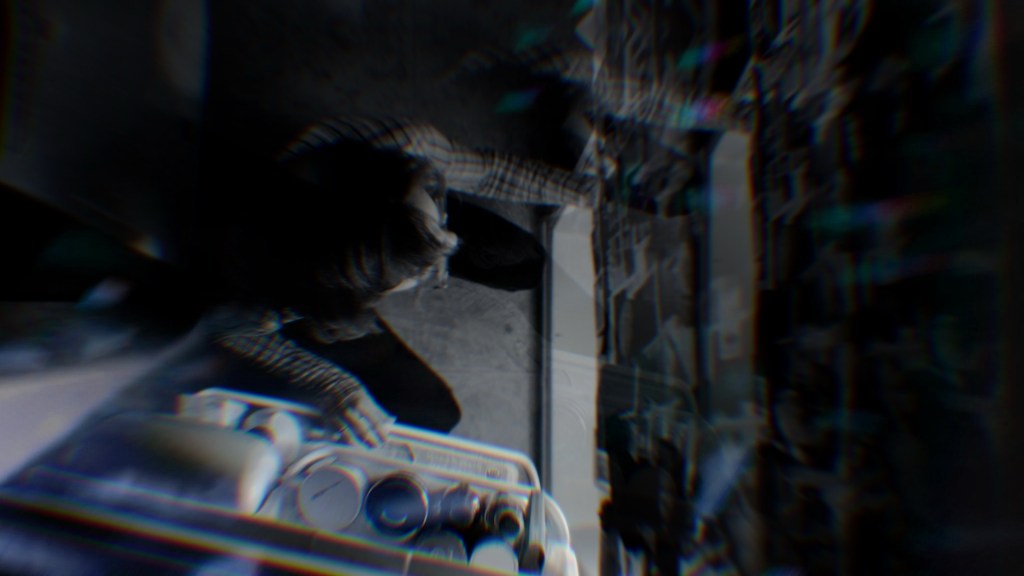
Of course, much of the talk surrounding Nickel Boys has been the unique first point-of-view cinematography that directly places the audience in the headspace of Elwood (Ethan Herisse) as he endures abuse and years of hardship at the Nickel Academy in Florida. This isn’t the first time that a film has employed this specific technique (see Hardcore Henry) but the empathy and beauty that Fray imbues every frame with makes watching this film feel like uncovering a new way of filmmaking altogether.
Fray also recently shot the gorgeous All Dirt Roads Taste of Salt, which he received an Independent Spirit Award nomination for, and was on second unit for Barry Jenkins’ The Underground Railroad. Even this early in his career, Fray’s strong visual and philosophical background from his studies at Brown University and NYU Tisch shows in all of his work.
Fray’s cinematography feels much like a character itself. It’s never static and always flowing and moving, capturing fleeting moments of freedom between Elwood and his grandmother, Hattie (Aunjanue Ellis-Taylor), as vividly as the alligators that roam the streets and classrooms of Nickel. Fray also shies away from actually depicting any of the physical violence that the boys face at the Nickel Academy, which places more emphasis on Elwood’s fractured memory and the resilience it takes to move forward and imagine a life beyond the walls of Nickel.
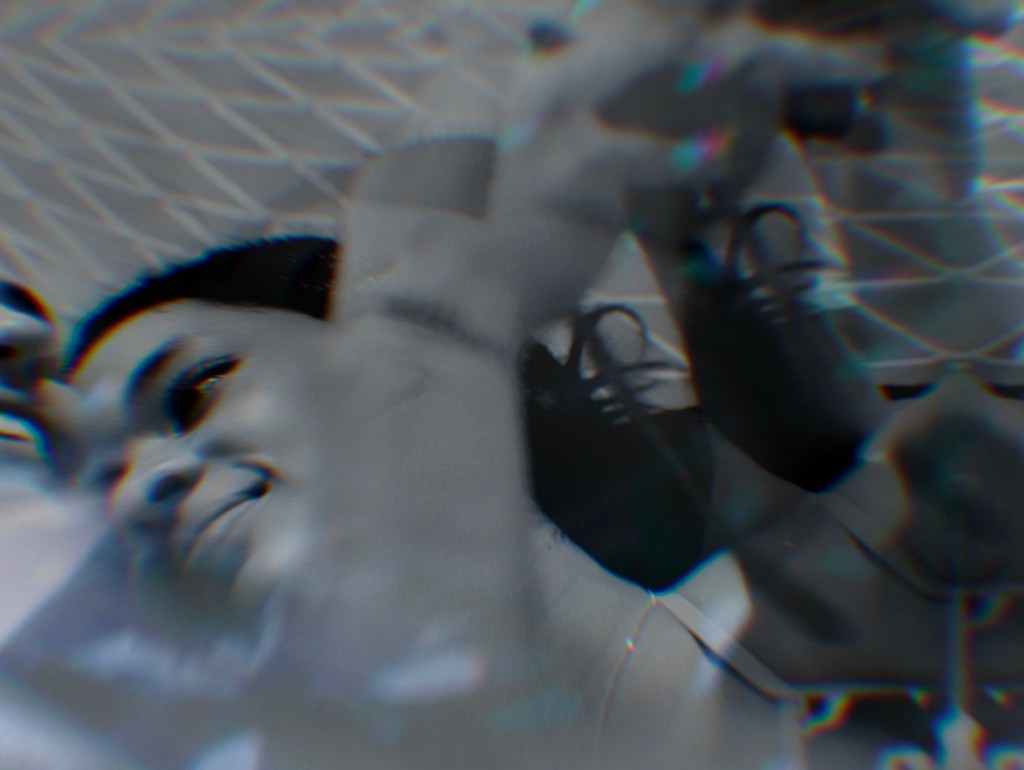
An important distinction, too, is that Fray clearly wasn’t interested in creating an exact 1:1 replica of what it would be like to actually see out of someone’s eyes — because that would be too ordinary and, frankly, boring. Sometimes the perspective shifts slightly, like in the present-set scenes that follow an adult Elwood and Turner by capturing the characters’ heads from behind at an uncomfortable angle. This is all to convey the subjectivity of human emotion and the way that trauma can manifest and evolve in different ways over many decades. Fray constantly plays around with his cinematic language throughout the different time periods depicted in the film, which only creates more sustained momentum for the viewer.
While there are many visually stunning films in contention for the Academy Awards this year like Dune: Part Two and The Brutalist, no best cinematography line-up is complete without Fray and his work on Nickel Boys. Fray elevated what could have been perceived as just a gimmick to a new language of filmmaking altogether.
Fray has already been recognized by many local critics groups for his work on Nickel Boys, along with a Critics Choice nomination. But an Oscar nomination would not only honor the work of one of our most exciting up-and-coming cinematographers but create a precedent for the Academy to go out of their way to celebrate experimental filmmaking more.
Nickel Boys is currently playing in select theaters. You can read our interview with Jomo Fray here.

 offscreencentral.com
Leave a comment