
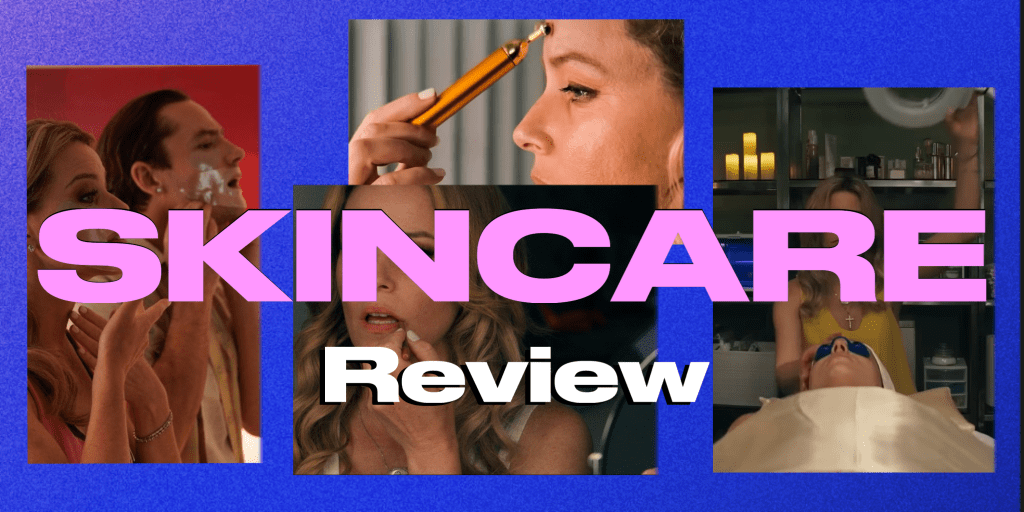
Elizabeth Banks shines as a paranoid facialist in this superficial thriller. Based on a truth that might be stranger than fiction, Skincare just manages to scratch the surface on the ugliness haunting the world of beauty.
In his narrative feature debut, director Austin Peters captures a tough reality behind the “American Dream.” Described by Peters as a “sunshine noir,” Skincare brings the paranoia that lurks in the night out into the sunny streets of LA. Shot on location, the city that director of photography Christopher Riley captures is true to form for those who are familiar with the undersaturated, washed-out tones that paint the faded, sun-bleached backgrounds of our California dreams.
The film opens up close and personal with our eyes focused on Hope (Elizabeth Banks) as the camera slowly pans out past the fine lines on her face and onto a tornado of chaos surrounding her. This “fictional story based on true events,” follows celebrity facialist Hope Goldman, who has fought to make a name for herself–a name branded on her own studio and soon-to-be-launched skincare brand. Inspired by the story of Dawn DaLuise, who was accused of putting out a hit on a rival facialist, the film explores the relationships people have with their image and what lengths people will go to stay relevant. Hope is a go-getter, a sweet-talker, and an all-around hard-working woman. For her, reputation is everything–but can legacy withstand the future of skincare?
Hope’s salon feels exclusive but intimate and is decorated with the achievements of her career. With loyal employees and clientele, everything seems to be coming to fruition for her as she gears up to launch her own line of products–until she notices her new neighbor is another skincare studio and ‘Shimmer’ by Angel Vergara (Luis Gerardo Méndez) becomes a blemish that Hope just cannot leave alone. Just after this unexpected arrival, Hope begins receiving strange messages, including videos of herself being watched. One morning, her client Colleen (Wendie Malick), who was just in the studio with her ‘friend’ Jordan (Lewis Pullman) a day earlier, breaks the news that an embarrassingly desperate and inappropriate email was sent from Hope’s account to all her clients and friends. It becomes obvious that someone is trying to tarnish the reputation that Hope holds so dear–and she suspects her newest competitor. After pouring everything into her business, she is hellbent on uncovering who is out to get her but as these strange events begin to escalate, between property damage to stalking and sexual harassment, so does Hope’s limit on what she is willing to do to protect her image.
Throughout the film, we see Hope carrying her products, embossed with the name “Hope Goldman Skincare,” with her at all times, a good ol’ tried and true way to market yourself–but times are changing and with the truth of her financial situation, it seems she is just giving more and more of herself away in the name of a successful image rather than in pursuit of real success. She increasingly becomes more reliant on her new friendship with Jordan Weaver–an apt name for someone who continues to weave himself into her life–and it is Jordan that gives her some hard truths on the new ways people put their image out into the world: social media.
Set in 2013, during the rise to power for many beauty gurus and make-up influencers, the film captures a time when the beauty industry was being shaken. Newcomers were making names for themselves in front of their own vanities with beauty blenders and digital cameras. Products are now being sold by word of mouth from these internet celebrities, rather than in the lobbies of salons. Consumers are now looking for selfcare (emphasis on ‘self’) DIYs and dupes. In this new landscape, the question becomes how to stay relevant.
Angel’s studio perfectly captures this era. The hot pinks and greens, neon signs, and tropical plants feel weirdly nostalgic. This aesthetic was exactly the theme of BeautyCon LA the year I attended and is reminiscent of the same decor that darned so many hip and trendy new businesses that were making their social media presence known during this time.
Another incredibly immersive aspect of the film is the music with hits from Maroon 5 and Katy Perry whipping you back to 2013. These pop icons are interlaced between a delicate and hypnotic score by Kuwaiti composer, musician, and concept artist Fatima Al Qadiri (Atlantics). With whimsical strings and winds, the score is contemplative and thrilling–the most well executed aspect of this film.
Skincare is a story that is, without a doubt, intriguing and entertaining. There’s no better lead made for the portrayal of the convergence of beauty and legacy than Elizabeth Banks and it is thrilling to see her unravel. Unfortunately, the film leaves viewers yearning for more. Although the new frontier of social media influence is mildly explored, the film shies away from really diving into something that seems so connected to the world of beauty. Much of the suspense immediately disperses, and it seems to be holding back from really getting ugly. We see hints of all the ways people wish to exploit each other, the self-centered attitudes that plague the City of Angels. Leaving out some of the juicy details of its inspiration while not taking the liberty to massage out these other intricacies makes for a shallow thriller with a paranoia that only goes skin deep.
Grade: B-
Oscars Prospects:
Likely: None
Should be Considered: None
Where to Watch: In Select Theaters

Vannah Taylor
she/her @sirendeathcult
Lives in Southern California. Loves ballet and films about psychotic women.
Favorite Director: David Lynch
Sign: Aries
![Skincare – Review [Offscreen Central] – Siren Death Cult Avatar](https://sirendeathcult.files.wordpress.com/2023/01/image.jpg?w=48)



 offscreencentral.com
Leave a comment