
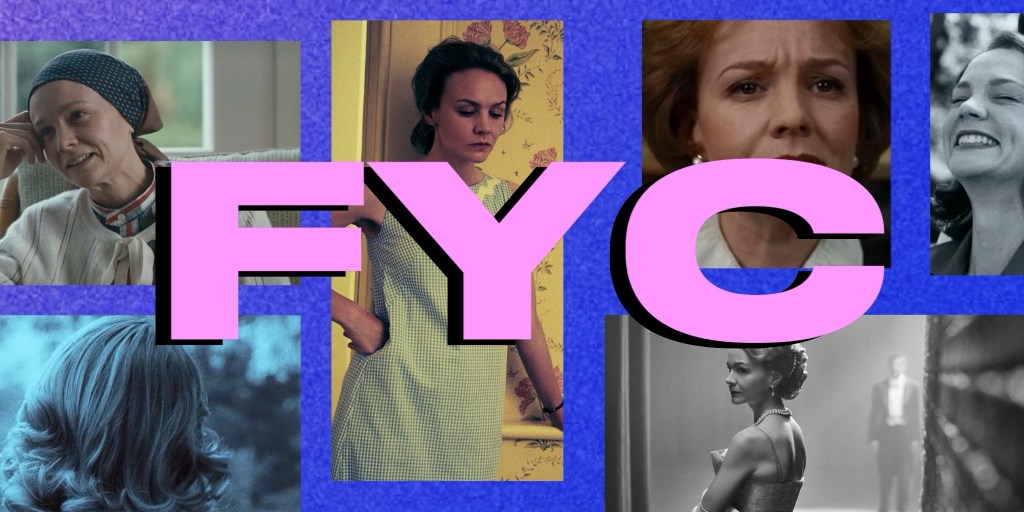
Love hurts. In testing times, those we care for deeply can put wounds in us that feel like they may never heal. That gut feeling is excruciating, and often than not makes us question our own self worth. Bradley Cooper’s latest directorial effort, Maestro, provides a look into a romance that can only be described as a story between two forbidden soulmates – American composer Leonard Bernstein and his wife Felicia Montealegre.
Soulmates are a forever thing, but a forbidden soulmate is one where the love feels destined to not have its happy ending. Perhaps the true meaning of it is self worth and acceptance. Bernstein isn’t the lead of his own story in Maestro, it’s Felicia and her acceptance of his sexuality and wrongdoing throughout their marriage that takes centre stage. You may ask the question of why should a woman not choose to leave a relationship where a man cannot give you his all. But Bernstein adored Felicia. Regardless of his sexuality and perhaps selfishness in how he chose to conduct himself within the marriage, he was Felicia’s biggest supporter and vice versa. Love is not just purely just words, you can tell by the look in someone’s eyes exactly how much love is between two individuals. And their eyes were just interlocked with one another.
Carey Mulligan’s performance was as beautiful as it was painful. There was one specific frame that hits the heart hard – one where Felicia looks onto Bernstein holding hands with a lover during a performance of one of his new compositions. We’ve all been in that place where we reach the end of our tether in a relationship. Lack of communication. Lack of trust. Lack of emotional, mental and physical support. It all builds up until you reach a point of realisation of some self-worth when it’s too late. Deep down it kills, but you only let it eat you up when you’re alone or crying in the shower to sad songs. Mulligan did something special with this scene, achieving realism that is often hard to portray. A broken heart.
It’s interesting to think about our feelings within films, mainly because how does one truly capture heartache for the big screen. “It’s my own arrogance to think I could survive on what he could give,” this line truly delivers because it shows audiences a representation of what it is like to start healing. Good dialogue is crucial to generating realistic emotions, which ultimately allows Mulligan to really dig deep and boy she does. Every line, every stare, just literally everything she gets right.
Tears streamed both times seeing Maestro in the cinema all thanks to Carey Mulligan’s acting abilities. It’s a performance for all of us sad girlies to learn from.
Maestro is currently streaming on Netflix and back in select theaters.
You can find our review of the film here.



 offscreencentral.com
Leave a comment