
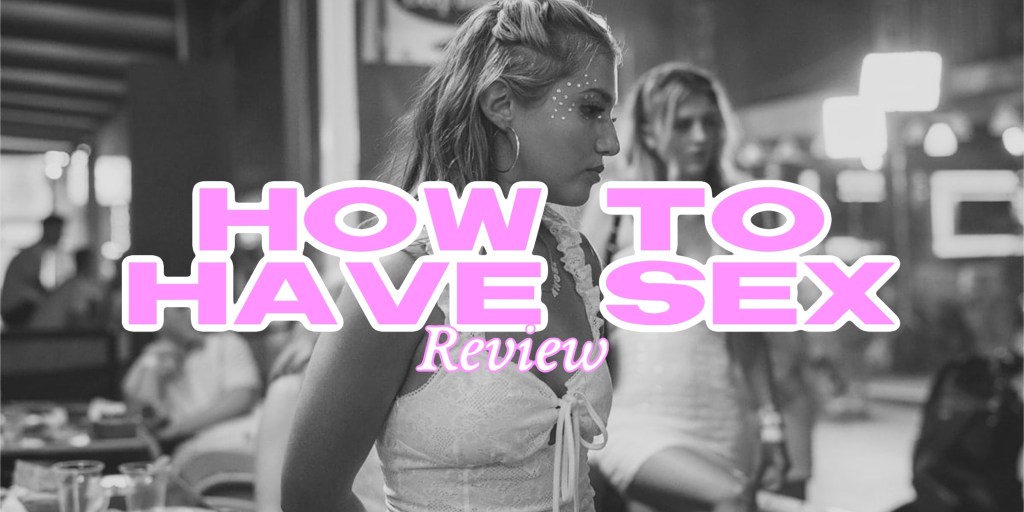
Regardless of if you’re older or younger, different factors of How to Have Sex continue to follow us in our everyday life. It’s a film that everyone can relate to and brings to the forefront the dark gray areas of sexual violence in the world.
On her 20th birthday, singer Lorde released a statement about being a teenager and the magic of being young. It was almost fitting as an ode and swan song, with the singer explaining that teenagers knew something that young children hadn’t quite figured out, and that adults had forgotten as they grew older. There’s no doubt in my mind that being a teenager in this day and age is full of those sparkly, iridescent ideals and dreams with the pressures of being young added. As a young woman, those pressures seem to be one of the most crushing parts of growing up. It’s the realization that what you imagined in your coming-of-age passage of time is no longer this kaleidoscope of possibility, but rather at times an isolating experience.
Throughout Molly Manning-Walker’s directorial debut, How to Have Sex, the journey and passage of time follows a post-GCSE group of friends as they embark on a once in a lifetime vacation in Malia. Our main character, Tara (Mia McKenna-Bruce) struggles with her inner identity as she’s the only person in her group of friends (played by Enva Lewis and Lara Peale) who has not had sex. It’s a fact that most of her friends seem to rub in her face, and the group of friends make it a goal to see whoever has the most sex out of everyone throughout their vacation. As the trio begin to navigate Malia and befriend a group staying next door, the discussion of consent and peer pressure throughout our youth becomes the forefront of the film in Tara’s eyes.
The way that Walker frames Malia gives us as the audience a world of escapism and when reality hits, it’s able to hit us hard. Dreamy sunsets and party sequences help hide the pressures that are being faced behind closed hotel rooms and drowned down by large bottles of alcohol. In the midst of Malia is Tara grappling with her self-identity and having to deal with feeling like she’s on a time limit to have sex. It’s a feeling that every single woman I have met in my life has faced growing up, and how much the pressure of having sex weighs on us. Mckenna-Bruce is able to tell the story on her face when words are not necessary, but we understand what she’s feeling and going through because at one point in our lives, we have all been there.
As How to Have Sex is a spectacle showcasing the loss of youth, the sound design also plays a large role into Tara’s inner thoughts. Malia at night is drowned out by the sounds of parties, throwing up, and long silences in moments of reflection. In a scene towards the end of the film, Tara, and Badger (Shaun Thomas) stare quietly at one another after the realization fully begins to hit about what has occurred in Malia. As much as sound drives the story, it’s the quiet reflections and longing stares that really elevate the film.
Another topic that How to Have Sex addresses is the heartbreaks and realization of toxic friendships. Tara is constantly shamed for not having sex by one of her friends, who jabs at Tara at the expense of having a laugh. Anyone who has been in a friendship like this can find these moments incredibly relatable, with the feeling that you can’t defend yourself or talk about the heartbreak of losing your virginity in an unwanted way out of fear of being laughed at.
Walker’s directorial debut is deemed to be a film leading to more discussions about consent, and how isolating and lonely having to go about the conversation of sexual assault can be. We see Tara having to grapple with putting words together and being able to communicate the anger, sadness, and heartbreak she’s felt throughout her trip in Malia. But, regardless of if you’re older or younger, different factors of How to Have Sex continue to follow us in our everyday life. It’s a film that everyone can relate to and brings to the forefront the dark gray areas of sexual violence in the world.
Grade: A
Oscars Prospects:
Likely: None
Should be Considered: Best Original Screenplay
Release Date: February 3, 2024
Where to Watch: In Select Theaters + Streaming on Mubi

Leia Mendoza
she/her @leiassunsets
Lives in Austin and loves shopping sequences
Favorite Actor: Cillian Murphy
Zodiac: Cancer


 offscreencentral.com
Leave a comment